Product & explainer videos.
Clarity that closes the gap between you and the buyer.
Explaining a technical product is genuinely hard. There’s a lot to cover, the audience ranges from curious to expert, and the temptation is to fit everything in. That’s usually where clarity slips away. As an experienced explainer video agency, we break complex products and services down into videos that are structured, engaging and easy to follow, so the viewer ends up more confident about what’s next.
What goes into it?
Videos that explain clearly, build confidence, and help people make decisions faster. Let’s make it make sense.
The jargon-heavy problem and the Fuel solution.
Product explainers work so hard to get across complex messages in such a short space of time. Lots of people start with a script and key messages – which are super important – but the idea needs to align early on to avoid a Frankenstein’s monster execution.
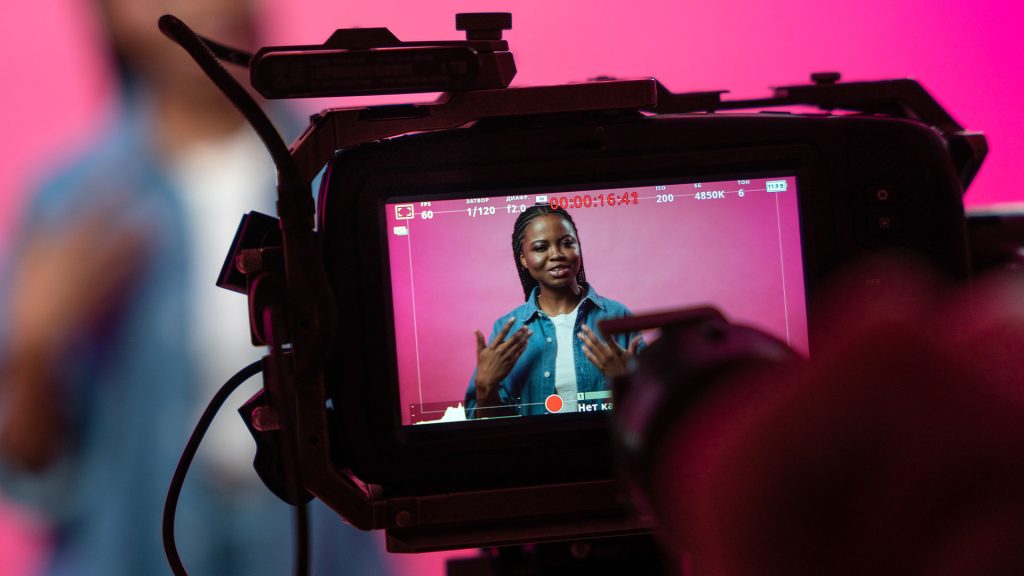
Our creative teams work to create scripts, style frames, storyboards, and video production that are anchored to a central idea and theme. The cohesive process means product explainer videos are delivered in the most engaging and effective way possible.
FAQs and stuff worth knowing.
It depends on what the explainer video needs to do. A single video rarely explains everything, nor should it. The goal is to give the right audience the right level of understanding at the right moment. Sometimes that’s a two-minute overview, sometimes it’s a series of shorter pieces that build on each other. We’ll help you work out which one it is.
Outside perspective. When you’re close to a product, it’s hard to know what to leave out. We ask the questions a real audience would ask, find the clearest path through the information, and cut everything that slows it down without losing what matters. That distance is part of what we bring.
Whichever best serves the explanation. Animation is often better for abstract concepts, internal processes or anything that can’t easily be filmed. Live action works well when the product is physical, the people matter, or you want a human feel. Sometimes a mix of both is the answer. We’ll recommend based on what the content actually needs.
Often yes — but they don’t have to be built from scratch each time. A modular approach means a core explanation can be adapted for different audiences, adding or removing layers of detail without reinventing the whole thing. We plan for that from the start.
By working closely with the people who know the product and being clear about what the audience actually needs to understand — not everything that could be said. Accuracy and clarity aren’t in conflict. Jargon usually is the thing getting in the way, not the detail itself.
Wherever the explanation needs to happen, whether that’s sales conversations, website product pages, onboarding flows, partner briefings, trade shows. We think about the use case as part of the brief so the format, length and tone fit how it’s actually going to be watched.
As long as it needs to be and no longer. Most land between sixty seconds and three minutes, but the right length comes from the content and the context — not a rule. If we can say it in ninety seconds, we don’t pad it to three minutes. If it genuinely needs more time, we don’t cut corners to hit an arbitrary target.
Our thinking.