Getting more mileage from long-form video
Long-form video is one of the most valuable things a marketing team can create.
It takes planning, time, coordination, and usually a decent production budget. There are scripts to write, people to interview, locations to organise, edits to review. By the time the final version is ready, a lot of effort has gone into making that one piece of content work.
And then something slightly strange happens.
The finished video is published once. Maybe it gets shared on LinkedIn, embedded on a website page, shown at an event. After that it disappears into the archive while the team moves on to the next campaign.
Which is a shame, because long-form video can easily become the foundation for an entire library of content.
If the footage is captured thoughtfully and the edit is approached with flexibility in mind, that single shoot can generate dozens of useful assets. The kind that support campaigns, social channels, sales conversations and internal communications long after the original video has launched.
The trick is to treat the footage less like a finished product and more like a rich source of material.
Start by capturing more than the final edit needs.
A long-form video often begins with a clear goal. Perhaps it’s a product explainer, a keynote recap, or a documentary-style piece about a partnership or innovation.
That structure is important, but when the cameras are rolling it’s worth thinking slightly beyond the immediate edit.
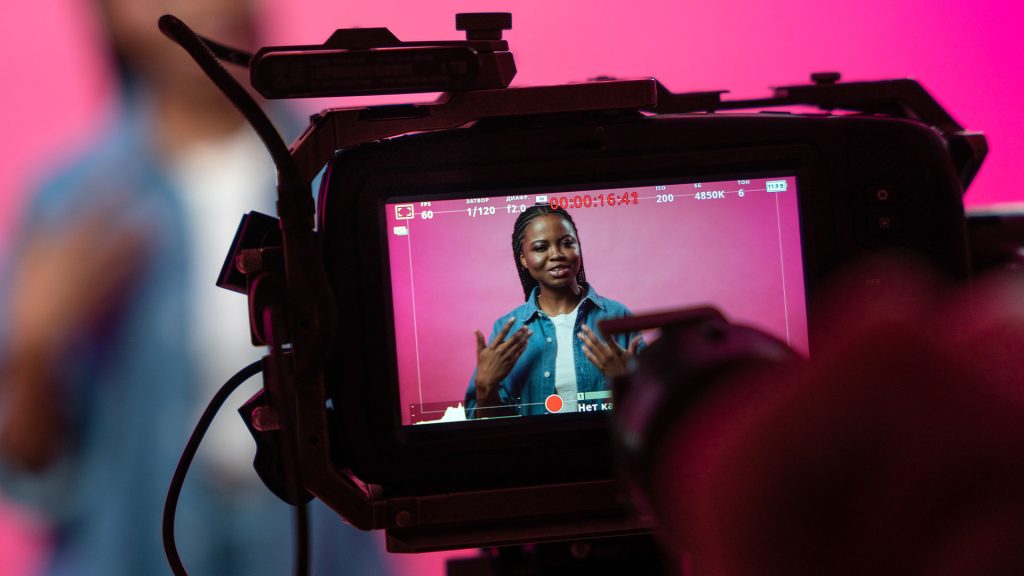
If you’re filming interviews, give people the space to answer questions in full rather than rushing to the soundbite. Encourage them to expand on their thoughts. Ask follow-up questions that might not appear in the final cut but could become useful later.
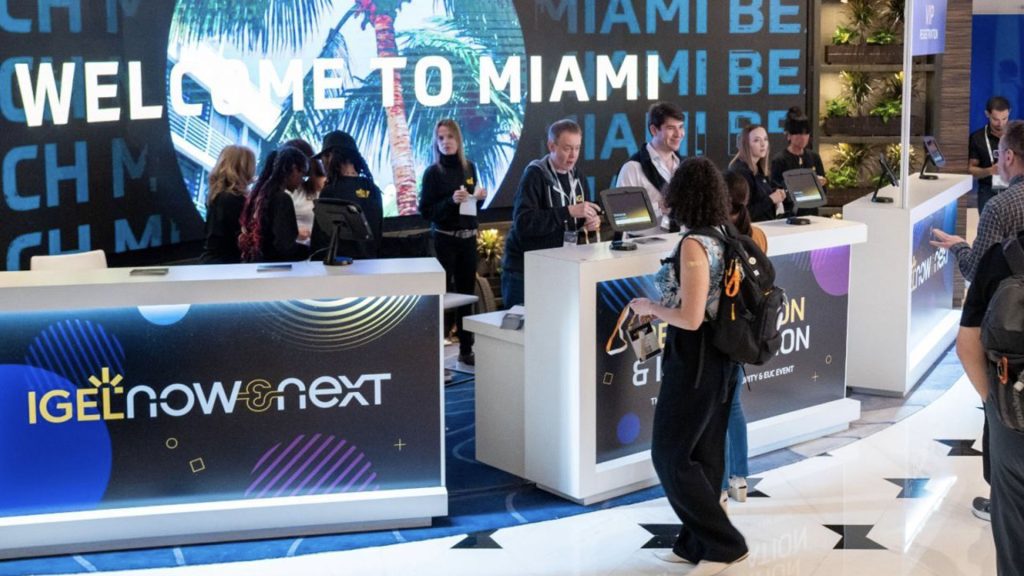
At events, capture the atmosphere as well as the stage moments. Crowd reactions, conversations between sessions, small interactions that reveal something about the experience.
Those additional pieces of footage often become the most flexible material later on.
Build a collection of short video moments.
Once the main film is complete, there are usually dozens of smaller insights sitting inside the edit timeline.
A single interview might contain five or six moments that work perfectly as standalone clips. A speaker might deliver a line that deserves its own post. A statistic might land better when isolated from the wider narrative.
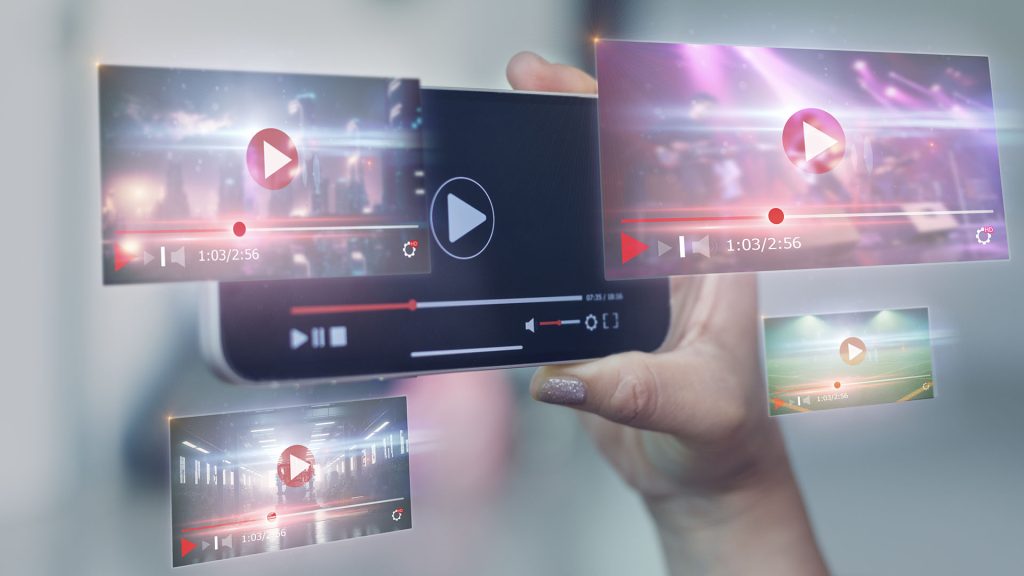
Short video moments are incredibly useful for social channels because they allow the story to travel further without asking audiences to commit to a full watch.
Instead of one long video appearing once in someone’s feed, the ideas within it begin to appear gradually across different posts.
Over time the audience encounters the same story from multiple angles.
Turn conversations into interview series.
Many long-form shoots include interviews with customers, partners or internal leaders. Often only a small portion of those conversations make it into the final edit. That unused material is rarely wasted.
With a little thought it can become a short interview series. Each clip focuses on one specific insight, perspective or experience. Instead of presenting the voices as supporting material inside a larger film, they become the centre of attention.
For companies working in complex industries this can be particularly powerful. Hearing someone explain a challenge in their own words carries a different weight than reading a quote in a case study.
A single filming session might easily produce ten or fifteen thoughtful moments that deserve to stand on their own.
Let the audio live its own life.
Video production captures something valuable that is often overlooked: clean, high-quality audio. Once interviews have been recorded and edited, the audio itself can become content.
A short extract might work beautifully as a podcast-style clip. A thoughtful answer might be released as an audio insight accompanied by a simple visual or caption. A longer conversation might be adapted into a short podcast episode if the subject matter lends itself to deeper discussion.
People consume ideas in different ways. Some will watch a video. Others prefer to listen while they travel or work. Good audio opens up those possibilities.
Use the transcript as a creative resource.
Most long-form videos now produce transcripts as part of the editing process.
Those transcripts are surprisingly rich material.
A compelling line from an interview can easily become a text-based social post. A short paragraph might become the foundation for a carousel graphic that walks through an idea step by step. A thoughtful explanation might inspire a written article that explores the topic further.
The original footage becomes the spark for entirely different formats.
Instead of a single piece of content, the video begins to influence written material, social content and visual storytelling.
Use the transcript as a creative resource.
Most long-form videos now produce transcripts as part of the editing process.
Those transcripts are surprisingly rich material.
A compelling line from an interview can easily become a text-based social post. A short paragraph might become the foundation for a carousel graphic that walks through an idea step by step. A thoughtful explanation might inspire a written article that explores the topic further.
The original footage becomes the spark for entirely different formats.
Instead of a single piece of content, the video begins to influence written material, social content and visual storytelling.
Create visual moments from the footage.
Footage doesn’t always have to remain video.
Certain frames can be captured and turned into still imagery. A speaker captured mid-thought might become a portrait with a quote overlay. A wide shot of an event space might anchor a visual post about the scale of the experience.
Design teams can also build motion graphics or animated snippets inspired by the themes of the video. When the visual language remains consistent with the original film, everything begins to feel like part of the same creative ecosystem.
Think of the footage as a content library.
The most useful mindset shift is simple.
Instead of seeing a long-form video as the final destination, treat the shoot itself as the beginning of a content library. The interviews. The atmosphere. The small unscripted moments. The audio. The transcript. The visuals.
Each element can travel in different directions and appear across different channels over time. What started as a single production gradually becomes a collection of ideas that support marketing, sales, events and thought leadership.
And when teams start planning shoots with that potential in mind, the return on the original investment increases dramatically.
Want to know more about our video offering? See how we bring end-to-end video production to life.

Our thinking.